Into the Wild: 5 Remarkable Wildlife Destinations Where Nature Comes First
Borneo, Malaysia – Rainforest Encounters
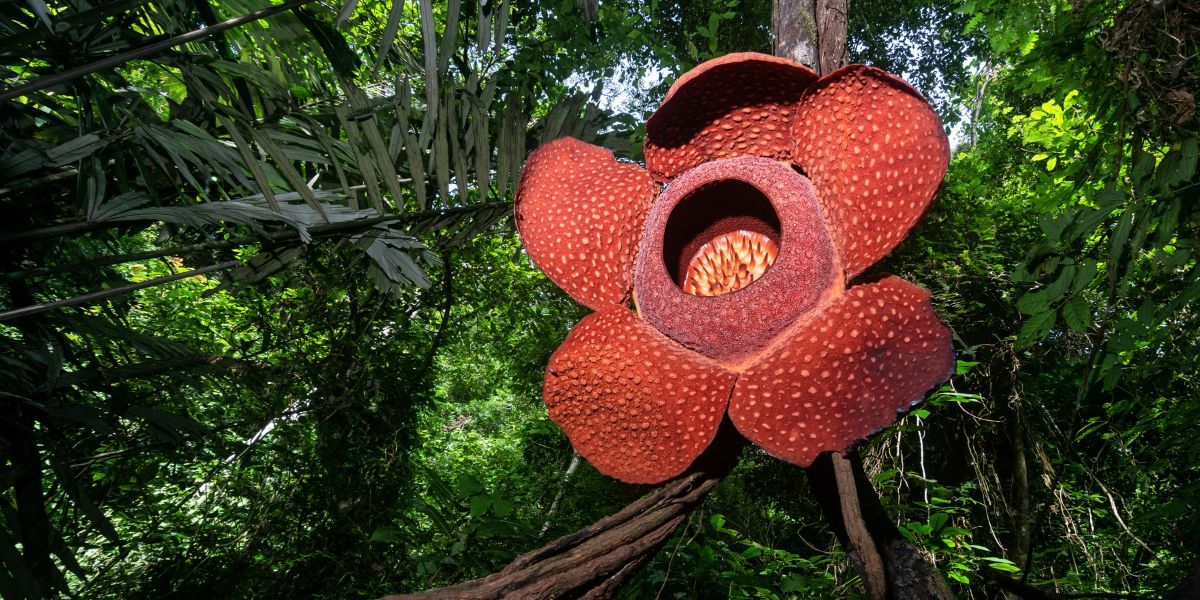
Borneo is one of the world’s oldest rainforests—a dense, breathing ecosystem layered with towering dipterocarps, ferns, and epiphytes. In the state of Sabah, nature still leads. Along the Kinabatangan River, pygmy elephants emerge from the undergrowth and proboscis monkeys gather in fig trees. Deeper in, at Danum Valley or Tabin, you might glimpse the elusive Bornean clouded leopard or hear gibbons calling at dawn. The forests here are also home to the extraordinary Rafflesia arnoldii—the world’s largest flower, blooming briefly and without scent. Days unfold slowly: mist lifting from jungle canopies, hornbills cutting across the sky, a night walk under a forest thick with fireflies. For those seeking nature tours in Sabah, this region offers some of the most rewarding and responsible encounters. Quick tip: The best time to visit is March to October, during the dry season. Trails are clearer and wildlife is more active, especially around dawn and dusk.
Galápagos Islands, Ecuador – Evolution in Real Time
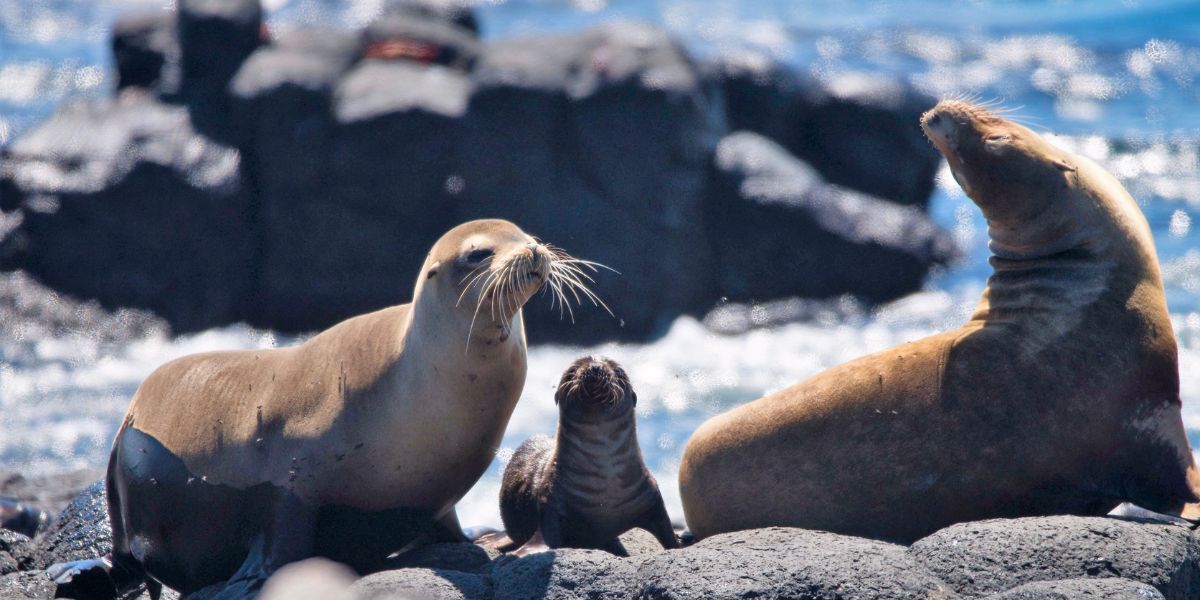
The Galápagos aren’t just biodiverse—they’re carefully protected. Travel here is governed by strict conservation rules, keeping a balance between people and wildlife. The result is something rare: islands where nature still shapes the rhythm. On Santa Cruz, giant tortoises lumber through the highlands, while sea lions nap along the shoreline. On smaller outposts like Española, albatross gather in the hundreds, and volcanic rock paths lead to cliffs where marine iguanas warm themselves in the sun. Each stop brings something new—penguins darting through the surf, frigatebirds wheeling overhead, the stillness of a lava field underfoot. Quick tip: Travel between June and November for cooler seas and active marine life, or December to May for calmer waters and lush island foliage.
Maputaland, South Africa – Turtles Under Moonlight
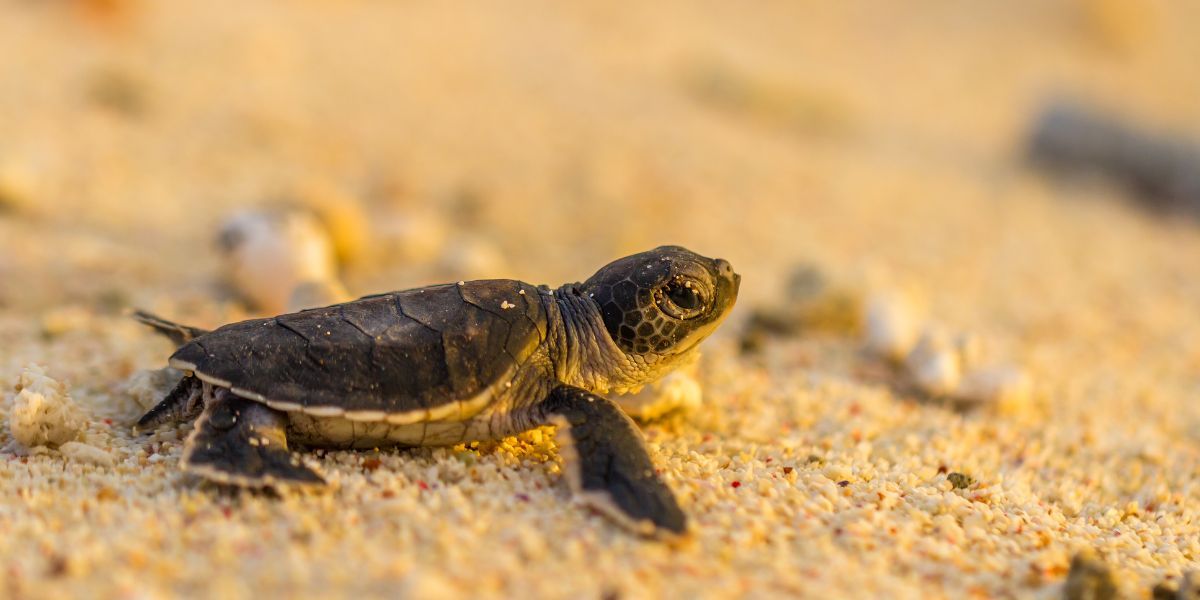
Along the remote beaches of Maputaland in northern KwaZulu-Natal, something ancient unfolds each summer: leatherback and loggerhead turtles return under cover of darkness to lay their eggs. Guided turtle-tracking safaris—strictly regulated within iSimangaliso Wetland Park—offer the chance to witness this rare ritual with minimal intrusion. Tours happen at night, timed to the tides. If you're lucky, you'll see a mother turtle heaving herself up the sand to dig her nest, or dozens of hatchlings scrambling seawards, dodging ghost crabs and seabirds under a starlit sky. Light is used sparingly, and only by trained guides—here, wildlife dictates the pace. This isn’t classic safari fare. You won’t see crowds or spotlights, just quiet footsteps, red-filtered torches, and the sound of waves meeting instinct. It’s a humbling encounter—one that feels less like tourism, and more like bearing witness. Quick tip: Turtle nesting season runs from November to February. Hatchlings usually emerge between January and March, but sightings are never guaranteed.
Raja Ampat, Indonesia – Coral Kingdom
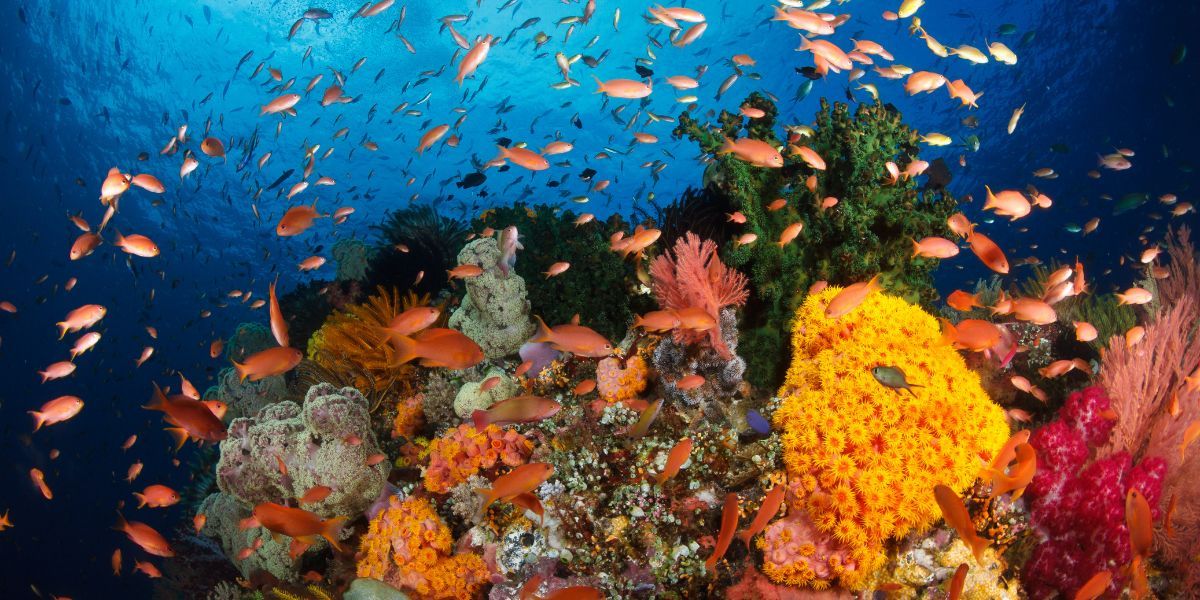
Off the coast of West Papua, Raja Ampat sits quietly at the centre of the world’s marine biodiversity. These remote islands form part of the Coral Triangle—home to over 600 species of hard coral and more than 1,300 reef fish. Nowhere else in the ocean holds this much life. Dive or snorkel in the Dampier Strait and you’ll enter a world of epaulette sharks, hawksbill turtles, swirling fusiliers, and the strange, shaggy outlines of wobbegong sharks. On any given day, you might spot five species of reef shark in one drift. Trips here are mostly boat-based and led by experienced local guides. You’ll visit pristine reefs, island lagoons, and limestone outcrops—moving at the ocean’s pace. Nights are spent in simple lodges or beach huts, far from any traffic or light pollution. Quick tip: Visit between October and April for the best underwater visibility and calm seas—perfect for diving and snorkelling.
Svalbard, Norway – Arctic Stillness
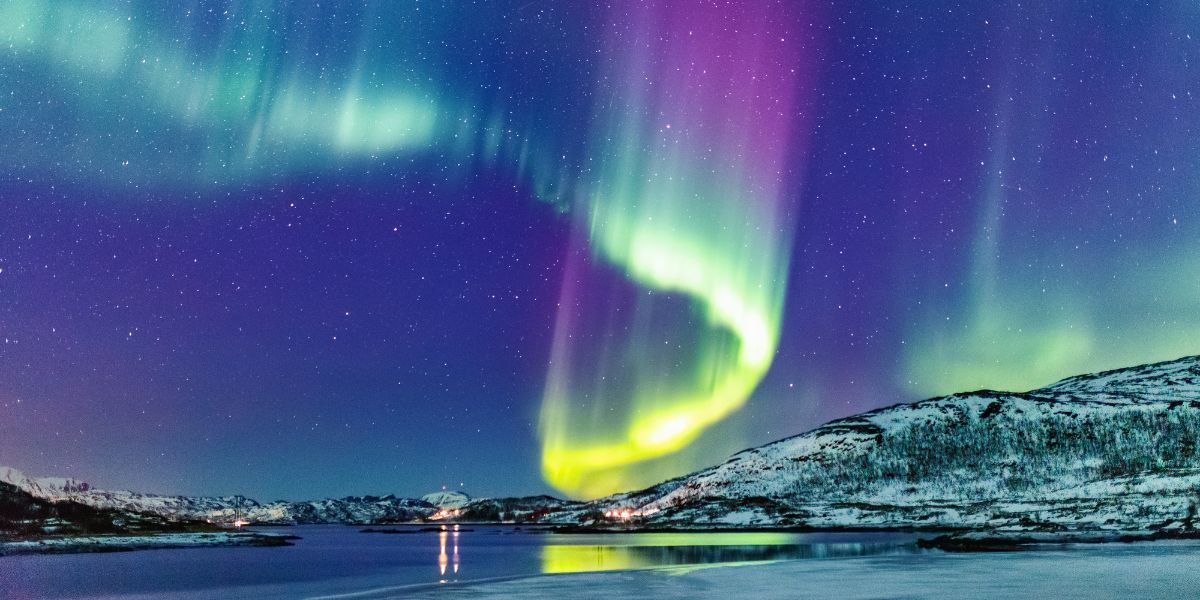
Far above the Arctic Circle, Svalbard offers two versions of wilderness. In winter, the sun disappears—but the dark isn’t empty. Stars shine all day, the moon casts sharp shadows, and the northern lights dance across a frozen sky. Even the small glow of Longyearbyen, the island’s main town, can feel comforting after a day out dogsledding or snowmobiling across snowbound landscapes. Then summer comes, and everything changes. As light returns, so does life. Birds arrive in their thousands to breed, filling cliffs and skies with sound. Walruses haul out onto beaches. Whales, seals, and even beluga move through fjords fed by rich, icy waters. Svalbard’s year-round residents—polar bears, Arctic foxes, reindeer—remain, but they share the spotlight with a greater cast. Quick tip: Visit between November and February for northern lights and Arctic night magic. For peak wildlife, aim for June to August, when the midnight sun brings birds, whales, and more into view.