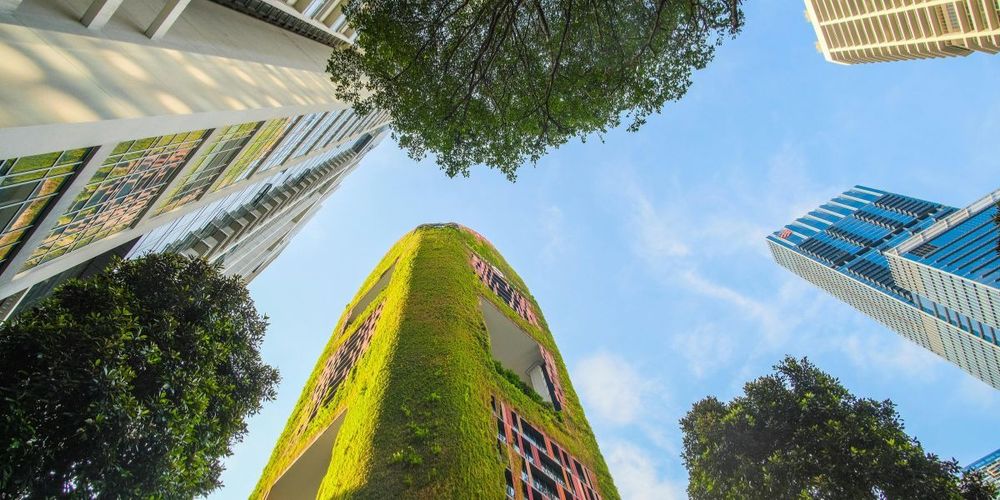
Greener Getaways: Sustainable Destinations to Know in 2026
Sustainability has moved beyond being a travel trend --- it is now a defining feature of modern luxury. In 2026, UK travellers are seeking out destinations that combine style, authenticity, and environmental responsibility, proving that indulgence and integrity can coexist. From coral restoration projects in the Maldives to conservation-led safaris in South Africa, these five destinations show what meaningful travel looks like for the year ahead.
Maldives: Blueprints for a Carbon-Neutral Paradise
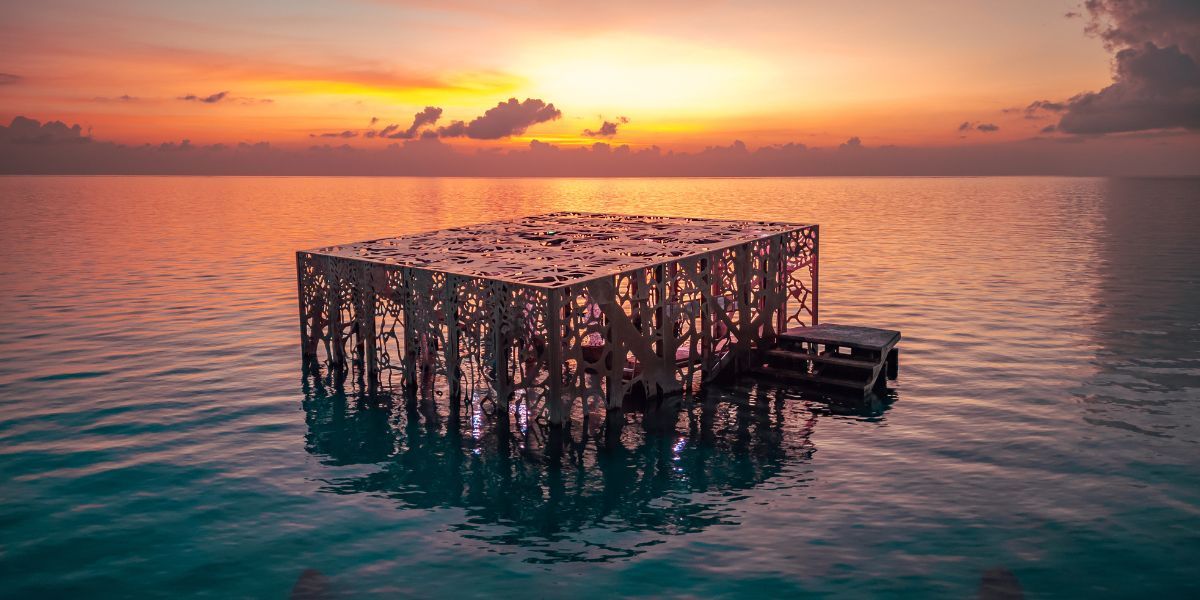
The Maldives may be best known for its turquoise lagoons and overwater villas, but beneath the surface, a quiet environmental transformation is taking place. Across its islands, luxury resorts are proving that sustainability and sophistication can go hand in hand --- and Fairmont Maldives Sirru Fen Fushi stands at the forefront of this shift. At the heart of the resort's marine conservation work is the Coralarium, a striking semi-submerged installation by British artist Jason deCaires Taylor. The world's first tidal art gallery, it serves as both a living sculpture and a coral nursery, attracting a growing array of marine life. Guests can join marine biologists to learn coral propagation techniques, turning a snorkel into a hands-on act of reef restoration. On land, the resort's Sustainability Lab --- the first resort-based recycling centre in the Maldives --- transforms ocean plastics into art, décor, and keepsakes while educating guests and local schoolchildren about the importance of reuse and regeneration. Solar panels now generate over 1,000 kW of renewable energy, while food waste is composted for the Chef's Garden, where organic produce is grown for the resort's kitchens. With Green Globe certification, a turtle monitoring programme in partnership with the Olive Ridley Project, and its own desalination plant bottling water in reusable glass, Sirru Fen Fushi offers more than paradise --- it offers a working model for sustainable island living in 2026.
St Lucia: Rewilding the Caribbean
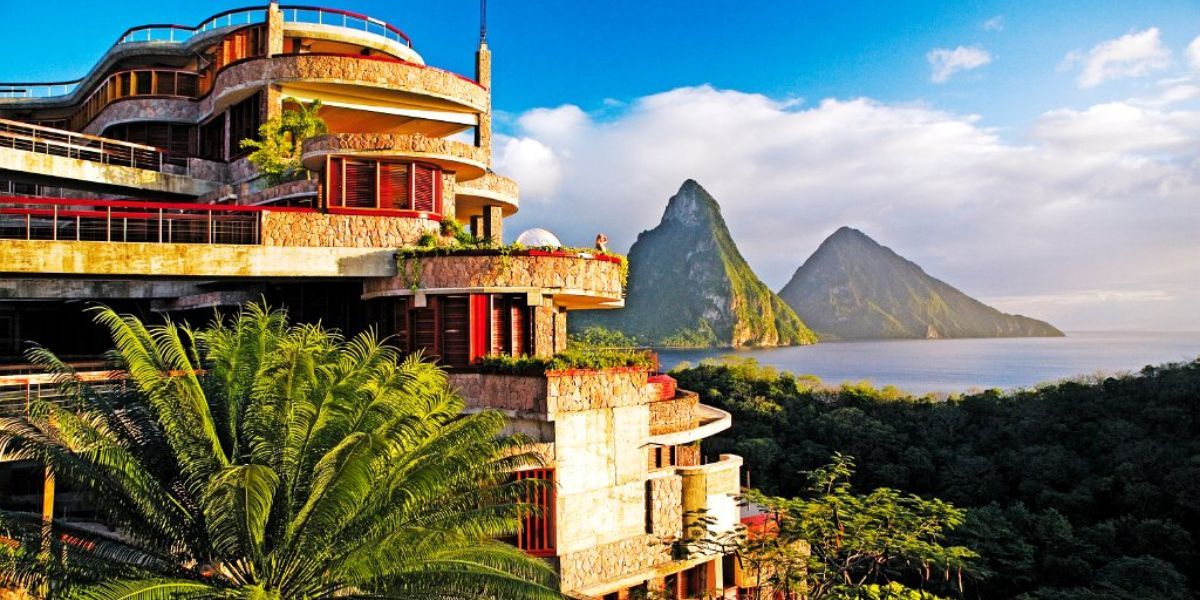
St Lucia's lush rainforests and volcanic peaks have long defined its beauty --- but today, the island's most celebrated views come with an equally powerful story of sustainability. At Jade Mountain, the Caribbean's first LEED Gold--certified hotel, regenerative design and environmental responsibility are built into every contour. Perched above the Soufrière hills, the resort operates with a philosophy that luxury should enhance rather than exploit its surroundings. Its sister property, Anse Chastanet, helped establish the Soufrière Marine Management Area, protecting the island's coastal reefs and marine life. On land, a restored 18th-century reservoir collects rain and river water, while a comprehensive treatment and reed-bed system reuses grey water for irrigation. Natural ventilation replaces air conditioning in most suites, lighting is designed to protect local wildlife, and energy-saving practices extend from gravity-flow wastewater systems to solar heating. The resorts' Emerald Estate farm supplies organic produce directly to the kitchens, cutting transport emissions and supporting local livelihoods. Guests are encouraged to take part in reef and beach clean-ups or tree-planting projects, turning sustainability from a concept into a shared experience. For 2026, Jade Mountain continues to refine its zero-waste goals --- proving that in St Lucia, true luxury means living in harmony with the landscape that inspires it.
Bali: Regenerative Travel Comes of Age
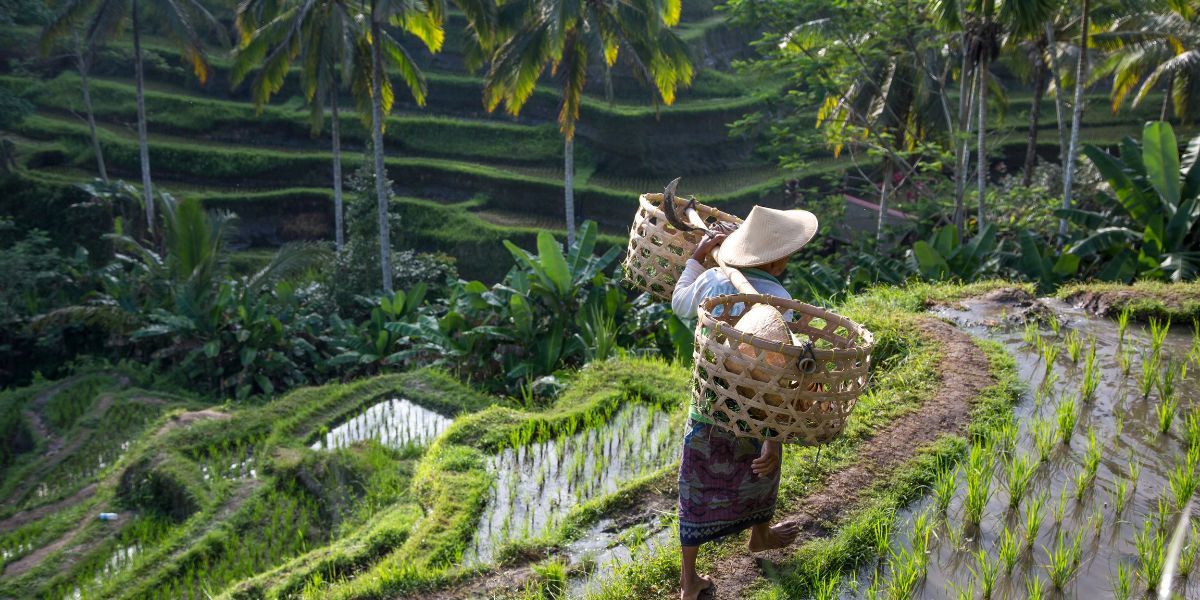
Bali's transformation from over-tourism hotspot to sustainability pioneer continues to gather pace in 2026. Across the island, a new generation of resorts is redefining luxury through regeneration --- restoring ecosystems, empowering communities, and celebrating local craft. Leading the way is Six Senses Uluwatu, where sustainability runs deeper than design. Perched above the Indian Ocean, the resort operates with a "Zero Waste" philosophy that touches every part of its daily life. Plastic waste is tracked, reduced, and replaced with circular solutions --- from reusable glass bottles that eliminated over 96,000 plastic bottles in 2024, to supplier partnerships that ban Styrofoam and introduce packaging take-back schemes. Organic farming and water-saving systems form part of a broader commitment to resource conservation, while surplus food is redistributed through local charities --- over 500 kilograms in 2024 alone. Even used kitchen oil finds new life, upcycled into biodiesel to help power local operations. By weaving these efforts into guest experiences that honour Balinese culture and community, Six Senses Uluwatu demonstrates how regenerative travel can flourish without losing its sense of place --- proof that in Bali, sustainability and serenity now go hand in hand.
Oman: Desert Luxury, Naturally
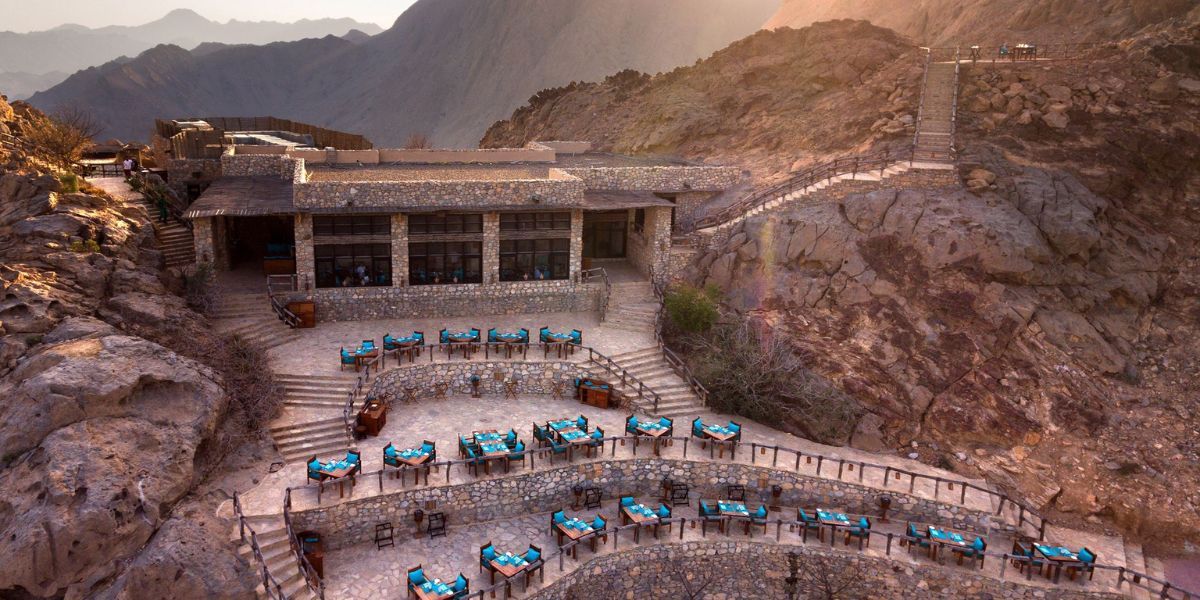
On the Musandam Peninsula, where rugged mountains meet the sea, Six Senses Zighy Bay offers a model of how desert luxury can live in harmony with its environment. Sustainability here runs through every layer of operation --- from resource management to community empowerment --- proving that responsible travel can enrich both people and place. Within the resort, the Earth Lab invites guests to turn "waste into wealth", hosting workshops that upcycle glass, soap, and organic materials. In 2024 alone, the resort avoided 287,000 plastic bottles through refillable glass alternatives, upcycled nearly 4 tonnes of glass, and treated over 49 million litres of wastewater for desert irrigation. Beyond its borders, Zighy Bay channels 0.5% of hotel revenue into a Sustainability Fund supporting local schools, hospitals, and women's and children's programmes in neighbouring villages. Conservation work extends offshore too: in partnership with the Olive Ridley Project and Oman's Ministry of Environment, the resort helped remove 18 ghost nets and 1,700 kilograms of marine debris from surrounding waters while monitoring and releasing endangered green turtles. From turtle talks with marine biologists to visits to nearby villages, guests see first-hand how every stay contributes to environmental and social renewal. Six Senses Zighy Bay shows that in Oman, sustainability is not just an initiative --- it is a way of life woven into the desert itself.
South Africa: Conservation with a Cause
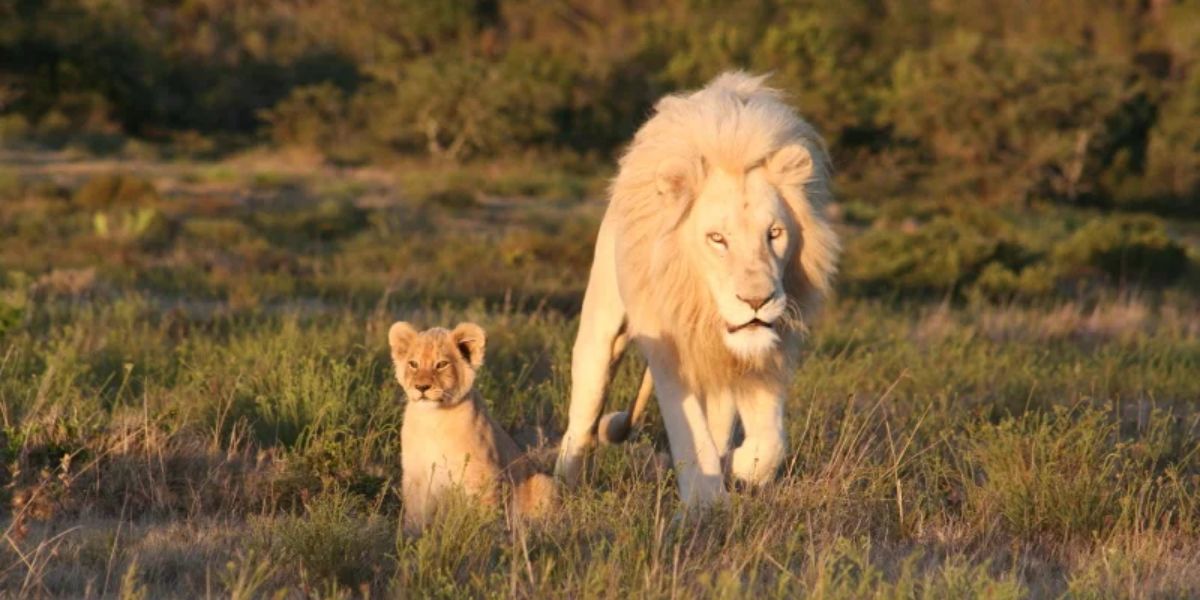
In South Africa's Eastern Cape, Pumba Private Game Reserve is showing how conservation and community can grow side by side. Since 2004, its work has gone far beyond wildlife safaris --- with the Pumba Foundation supporting education, social upliftment, and environmental care across the nearby Seven Fountains community. The reserve's best-known success is the White Lion Project, which began in 2007 and has helped reintroduce white lions into the wild. Their presence today --- alongside tawny lions with the same rare gene --- marks a small but powerful step for species diversity. The team also works to restore the land itself, clearing invasive trees like black wattle and blue gum to protect groundwater and native habitats.Equally vital is what happens beyond the reserve. The Foundation has helped build a local crèche and library, supports the Pumba Pirates Football Club, and runs a Women's Centre that feeds up to 150 people a day while teaching business and craft skills. Together, these projects give the area's families, especially women, the tools to build lasting independence. Change here does not come with fanfare, but with care --- the kind that keeps both communities and ecosystems thriving.
How to Travel Greener in 2026
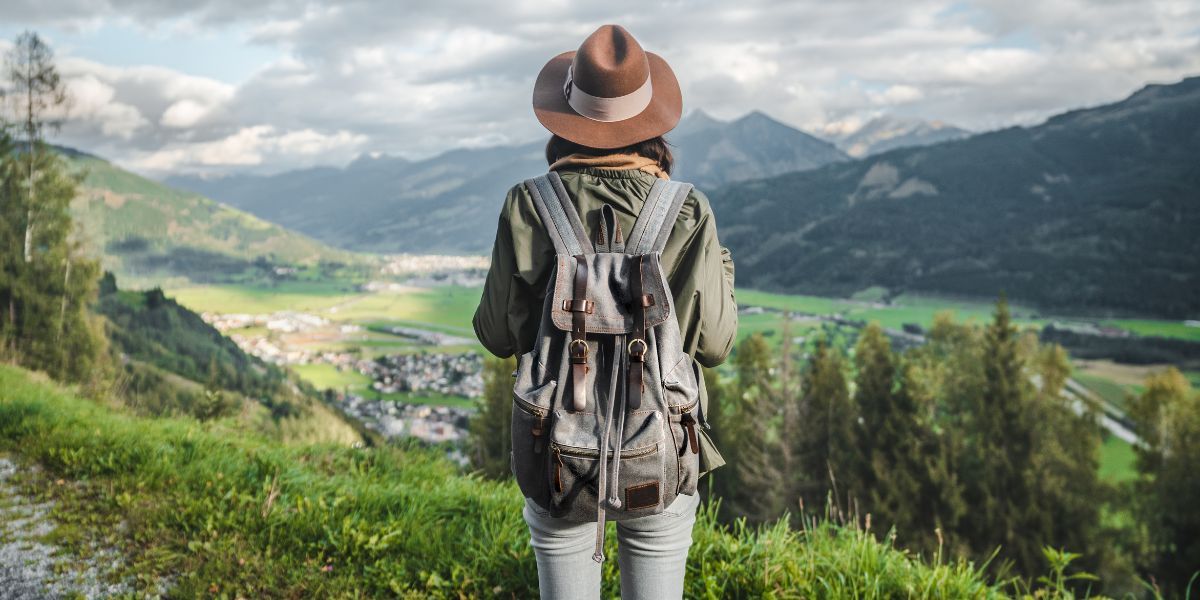
Sustainable travel is not about sacrifice --- it is about travelling with more intention. Around the world, small shifts in how we explore are adding up to meaningful change, and every traveller has a role to play.
A few simple principles go a long way:
The Future of Sustainable Luxury
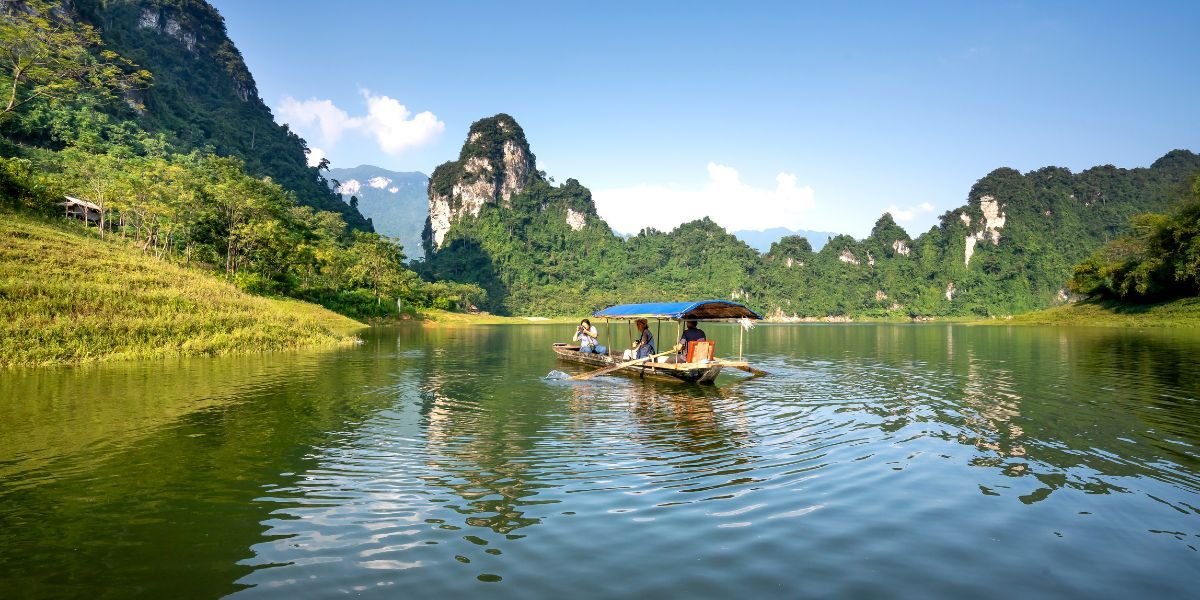
By 2026, the world's most exclusive destinations are no longer defined by excess, but by balance --- between indulgence and integrity, comfort and care. From coral nurseries in the Maldives to rewilded rainforests in St Lucia, and from Bali's regenerative resorts to Oman's desert conservation, sustainable travel has evolved from aspiration to expectation. What unites them is intent. Each place is proving that true luxury is not about isolation from the world, but connection to it --- to its ecosystems, its people, and its future. For UK travellers, this shift opens up something far rewarding than a beautiful view: the chance to explore the planet's most extraordinary places and help protect them at the same time. The age of sustainable luxury is not coming --- It is already here, quietly reshaping how we travel, and why.